0086 1343-1097-425
 zevin.wu@cstcomponents.com
News
Stay updated with the latest company news, industry trends and technology insights.
The Growing Importance of Automotive Semiconductors in Modern Vehicles
Automotive semiconductors have become essential to modern vehicles, powering safety, connectivity, electrification, driver assistance and intelligent vehicle functions while supporting higher performance and reliability.
Read More +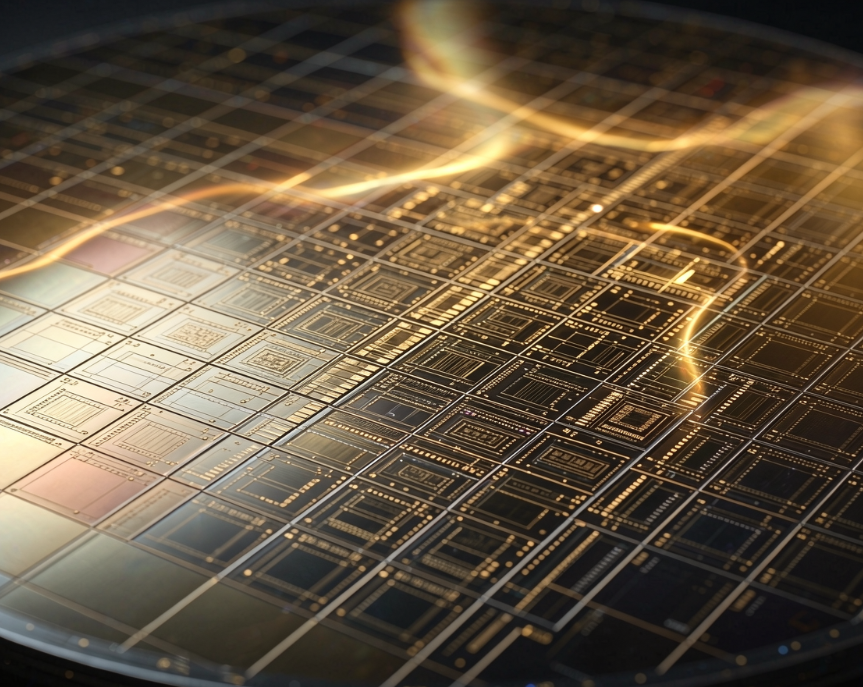
Aerospace-Grade vs. Commercial-Grade Semiconductor Components: Key Differences
Explore the key differences between aerospace-grade and commercial-grade semiconductor components, including reliability, temperature range, radiation resistance, qualification, traceability, and applications.
Read More +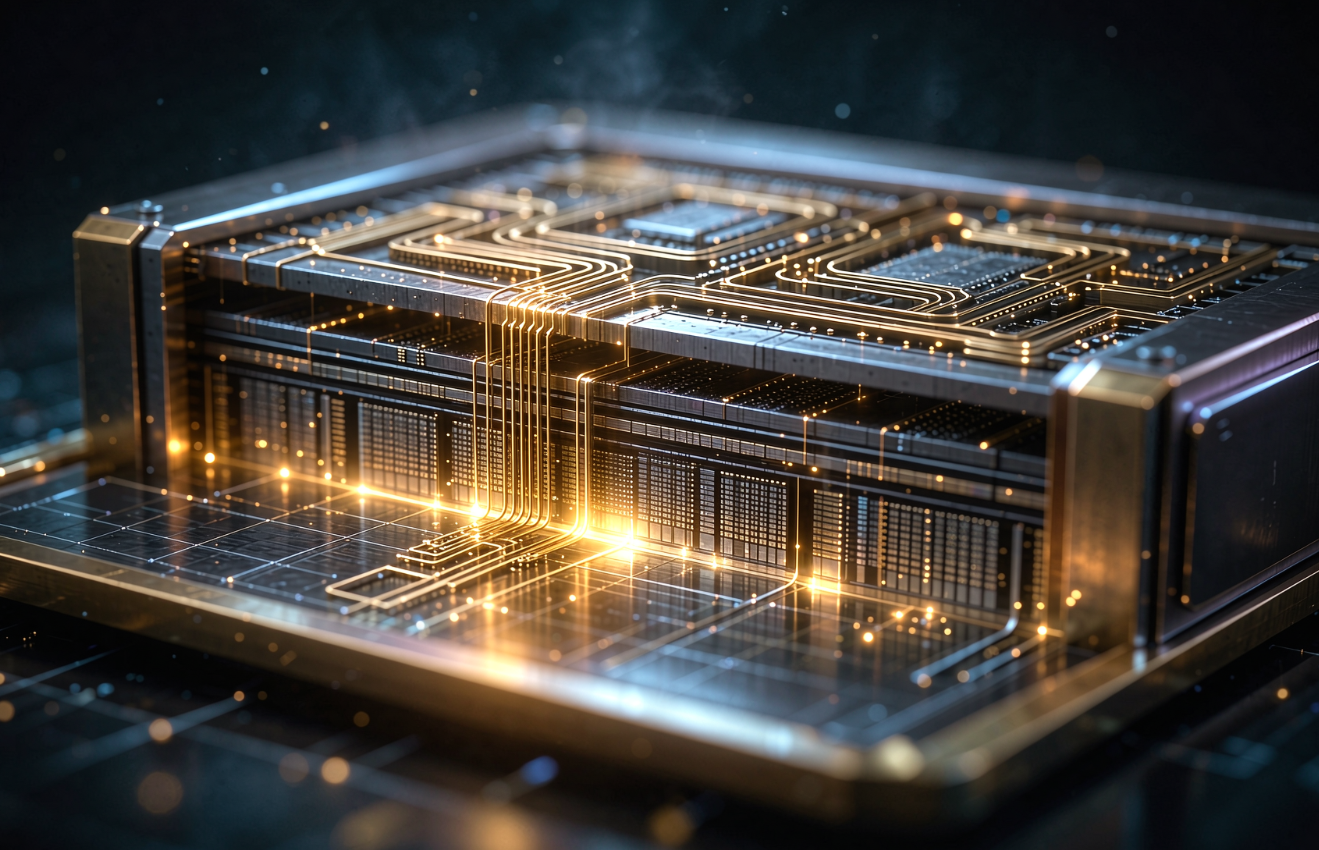
The Role of Power Management ICs in Modern Aerospace Systems
Power management ICs are essential to modern aerospace systems, providing efficient power conversion, regulation, monitoring, and protection for reliable operation in demanding aerospace environments.
Read More +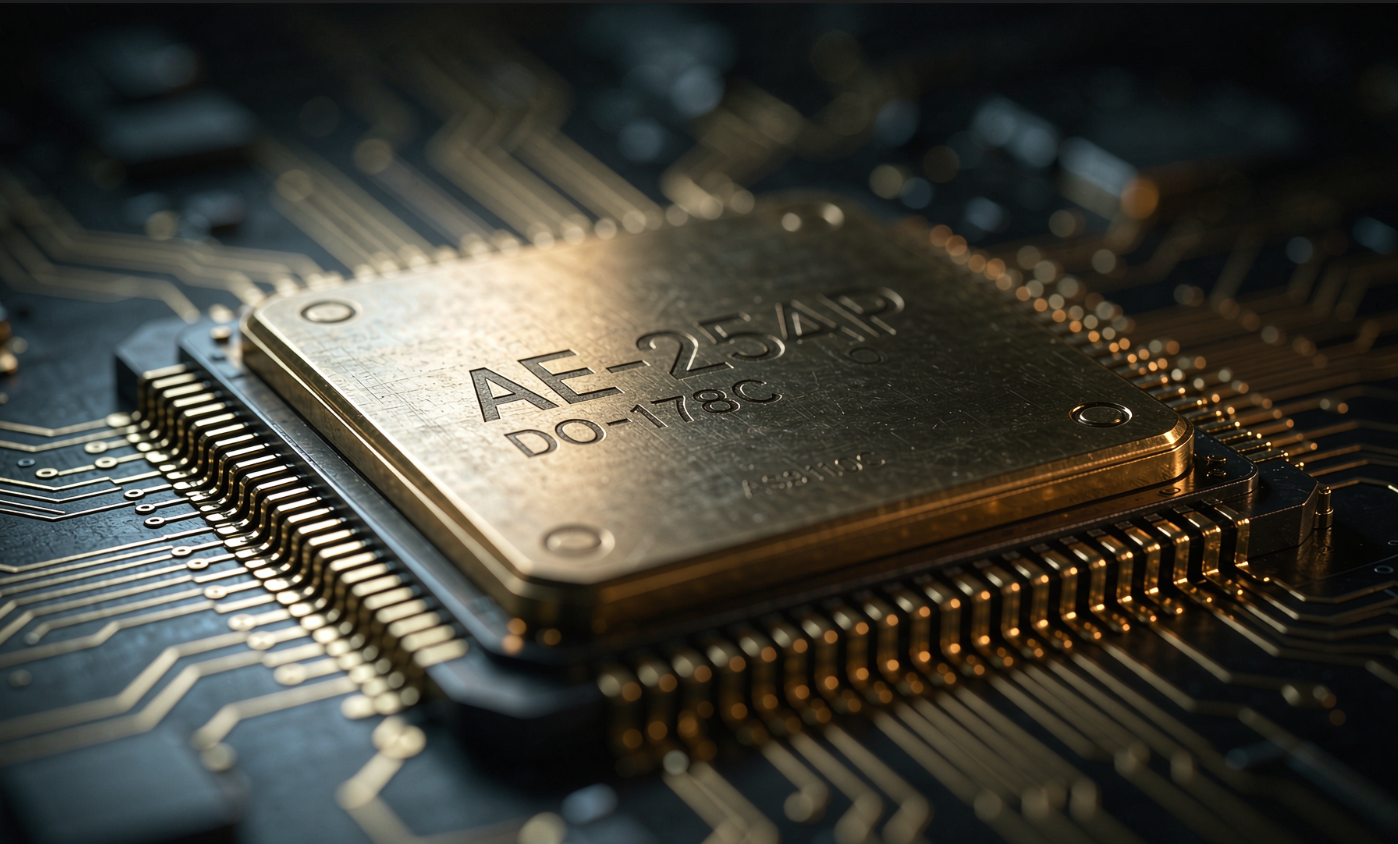
Key Requirements for Electronic Components in Aerospace Applications
Aerospace electronics require components with high reliability, wide temperature tolerance, vibration resistance, radiation resilience, long-term availability, and strict quality control to ensure safe and stable operation.
Read More +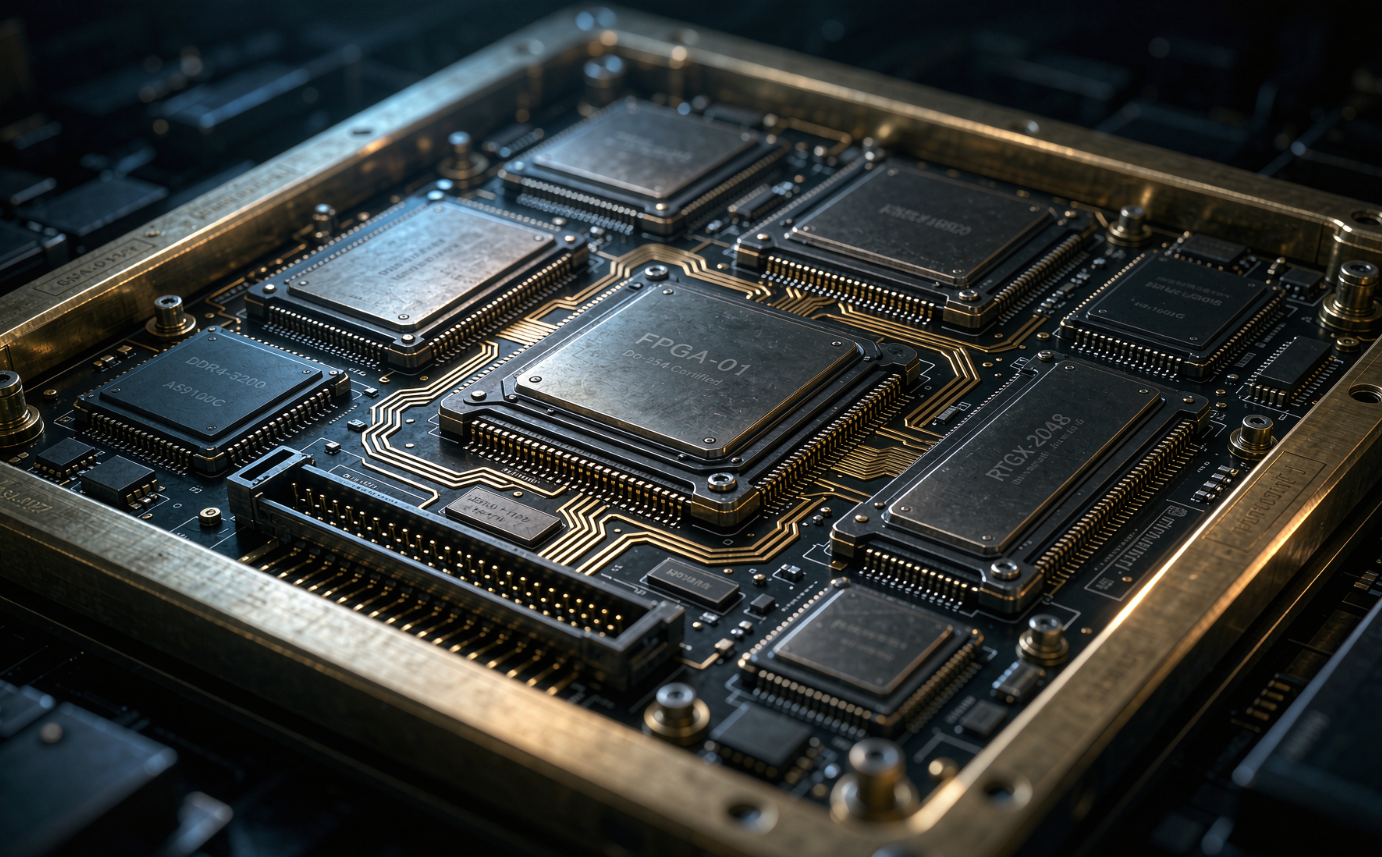
How Semiconductor Chips Improve the Reliability of Aerospace Electronics
Semiconductor chips are essential to aerospace electronics, improving reliability through high-performance processing, power management, signal control, thermal stability, and advanced protection technologies.
Read More +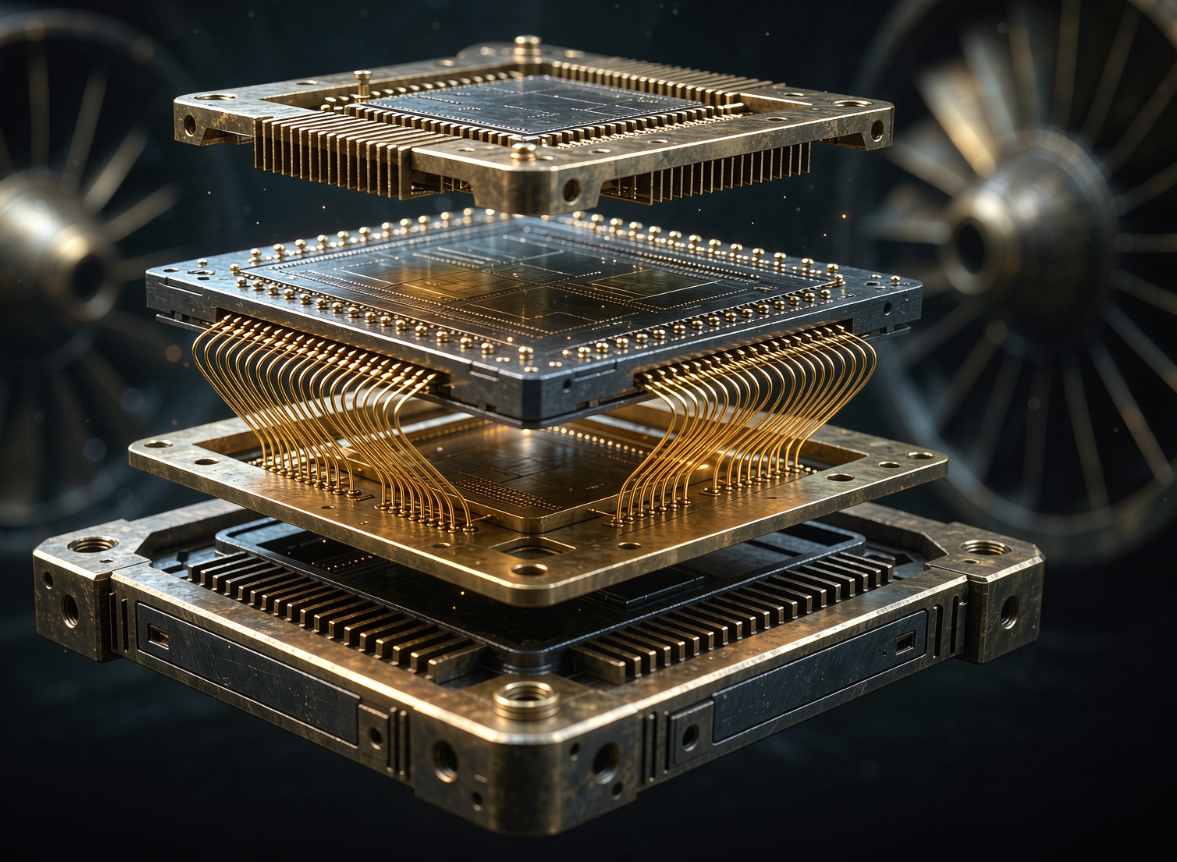
Aerospace Semiconductor Components: Key Technologies and Applications
Explore the key semiconductor components used in aerospace electronics, including power devices, diodes, MOSFETs, sensors, and protection components, and learn how they support reliability, efficiency, and performance.
Read More +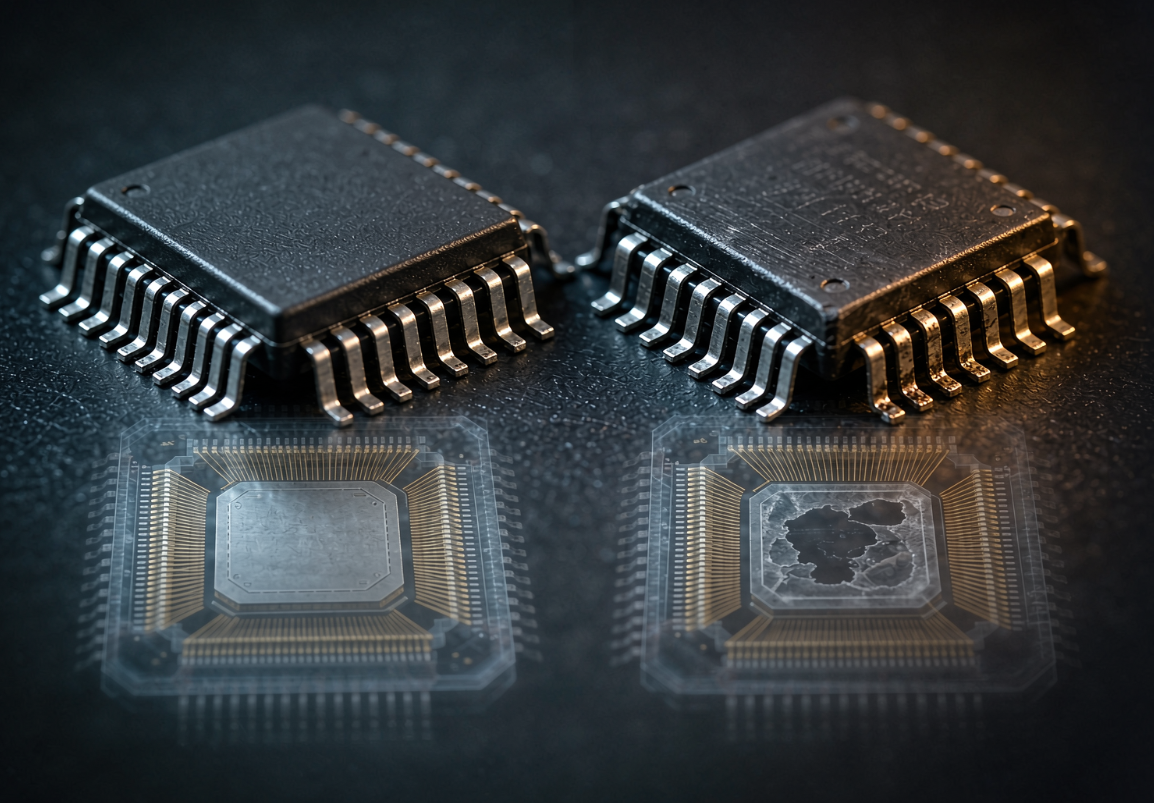
Original vs. Counterfeit Electronic Components: How to Identify Genuine Parts
Learn how to identify genuine electronic components and avoid counterfeit parts. Discover key inspection methods, packaging checks, traceability tips, and sourcing practices for reliable component procurement.
Read More +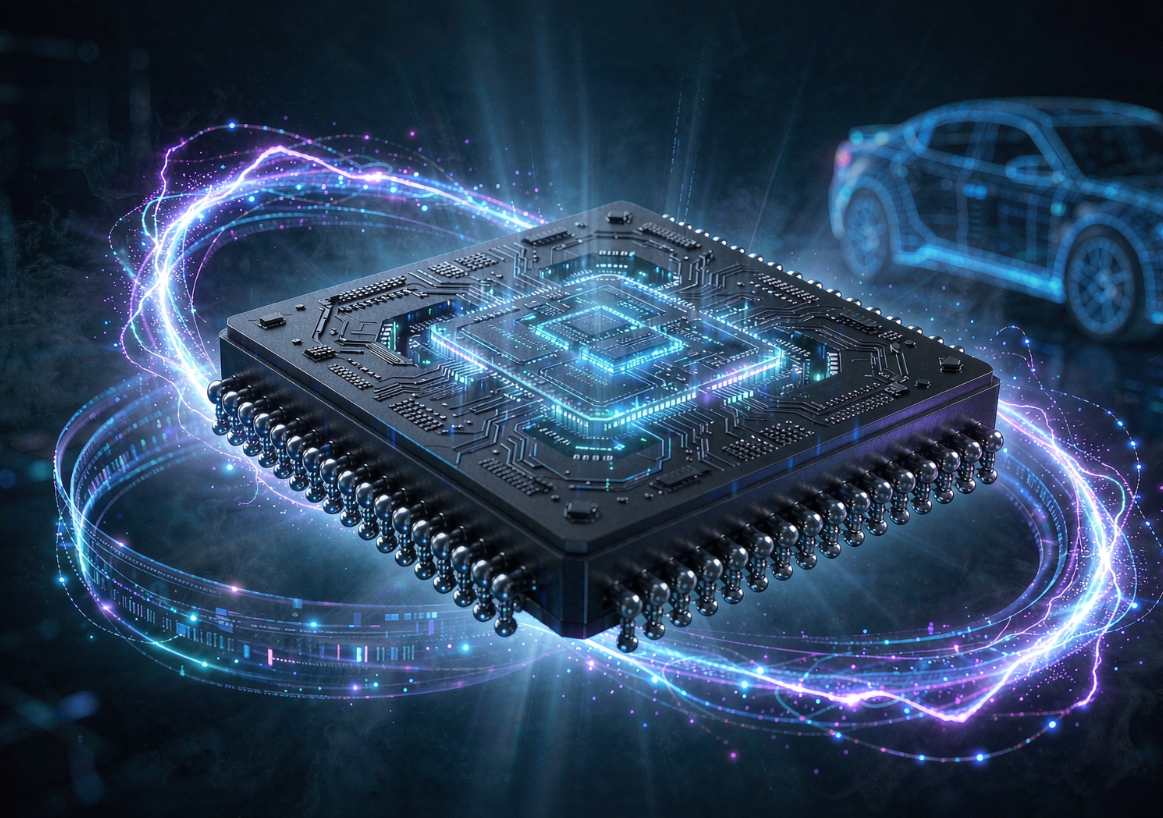
Electronic Components for Industrial Automation: Key Applications and Trends
Explore the key electronic components used in industrial automation, their applications, selection factors, and the latest trends shaping modern automated manufacturing systems.
Read More +
Integrated Circuits (ICs): The Foundation of Modern Electronics
Learn how Integrated Circuits (ICs) power modern electronics, from consumer devices and automotive systems to industrial automation, communication, and advanced computing applications.
Read More +
How Semiconductor Shortages Impact Global Electronics Manufacturing
Semiconductor shortages can cause production delays, higher costs, longer lead times, and supply chain risks for global electronics manufacturers.
Read More +
The Role of Diodes in Protecting Modern Electronic Devices
Learn how diodes protect modern electronic devices from voltage spikes, reverse polarity, ESD, overvoltage, and other electrical threats while improving system reliability and safety.
Read More +
Why Quality and Traceability Matter in Electronic Component Supply Chains
Learn why quality control and traceability are essential in electronic component supply chains, helping manufacturers reduce counterfeit risks, ensure reliability, improve compliance, and maintain consistent product quality.
Read More +